
Occupational therapists are trained healthcare professionals who specialise in helping the elderly to age productively and improve quality of life. When an elderly person is affected by illness, accident,
injury, disability, or a mental health condition, occupational therapists plays an essential role in assisting them.
An occupational therapist's role in elderly care include the following:
Practice and adjust the client's personal care skills including homemaking, cooking, eating, dressing and grooming, among other activities.
Emotional and social support, re-integration into the community after a sick bed.
Promoting independence during aging.
Group therapy sessions in order to stimulate social interaction and prevent institutionalisation in frail care or nursing homes.
Occupational therapists differ from physiotherapists in the following ways:
Occupational therapists help clients perform daily functions or “occupations”. Occupational therapy tend to be more focused on improving life skills and often involves adaptive tools that lead to better quality of life.
A physiotherapist addresses mobility and treat the cause of the decreased mobility.
For example, when an elderly patient fractures a hip, the physiotherapist will assist in strengthening the leg in order to improve walking, whilst an OT will help the person to move on and off the toilet or perform cooking safely.
Physiotherapists and an occupational therapists work hand in hand to reach the highest level of functioning and preventing re-injuring.
Activities of Daily Living (ADLs)
There are two types of activities of daily living, namely basic and instrumental. Basic ADLs are activities performed on a daily basis necessary for independent living at home or in the community whereas instrumental ADLs are actions required to live independently but are not necessarily performed on a daily basis.
Examples of basic ADLs include: personal hygiene, dressing, eating, maintaining continence, and transferring/ mobility.
Examples of instrumental ADLs are: basic communication skills (using a telephone/email), transportation, meal preparation, housework, shopping, managing medication, and managing personal finances.
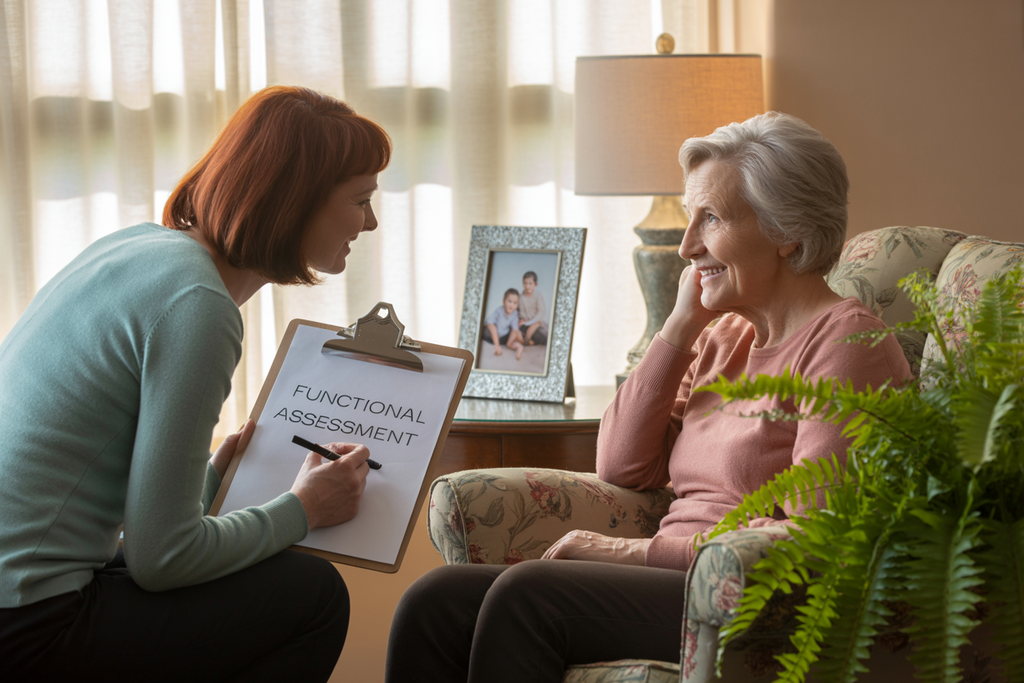
Individual care for levels of independence with regards to ADL and home safety evaluations, environmental adaptations, assistive device recommendations and sourcing, and pre- and post-operative support/return to home.
Group care focusses on community engagement through intergenerational gardening groups, art and craft groups, social outings, and music or dance groups.

Individual care is provided through assistive device recommendations and sourcing, pre- and postoperative support/return to home, level of independence regarding ADL evaluations, family support meetings, and physical rehabilitation.
Group therapy includes wheelchair mobility groups, art and craft groups, cognitive stimulation groups, gardening groups, pet therapy, and sensory stimulation groups.
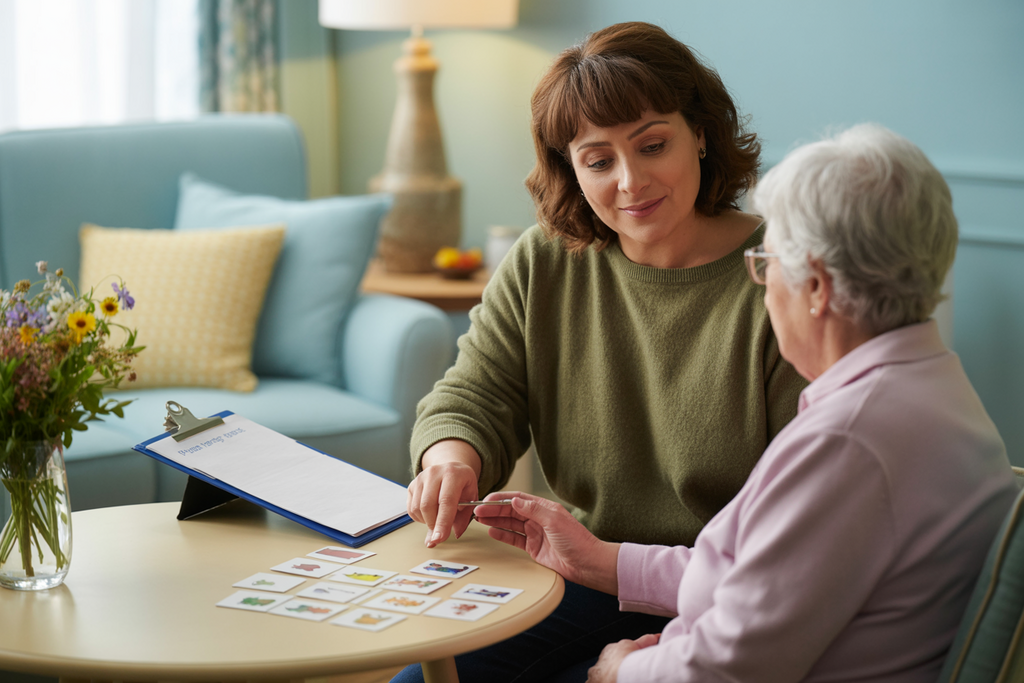
Early To Mid Stages
We evaluate and develop individual care plans for each client to maintain skills for as long as possible, including ensuring the environment is dementia friendly and through reminiscence therapy. For groups, we make use of reminiscence groups, music groups, art and craft groups, pet therapy, gardening groups, cognitive stimulation groups, and family support groups.
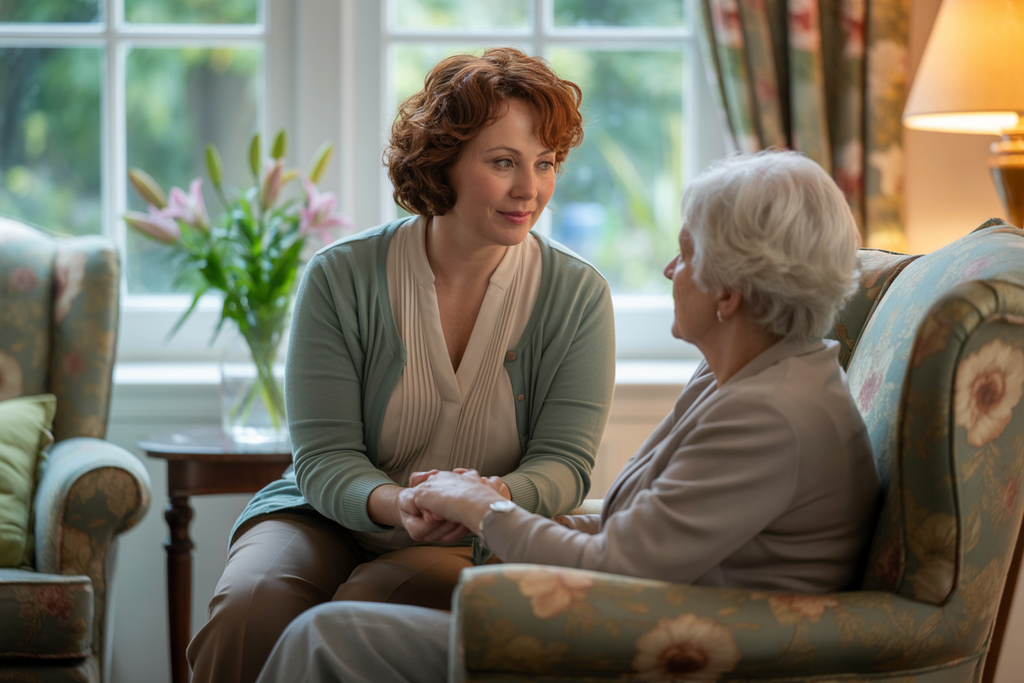
Late Stage
During later stages of dementia, therapeutic goals are to preserve the client’s dignity, ensure their physical comfort and maintain quality of life. Selected activities are predominantly sensory in nature and sessions are shorter and spread out throughout the day, making this the ideal setting to train family members and care givers in different sensory stimulation techniques.
Activities may include: hand massage, sensory bean bags, scent stimulation, photo albums, pet therapy, finer grooming (hair brushing, applying makeup) using hand over hand technique, and going for walks in the sensory garden.
Regain Strength and Independence
Your hands are vital for almost everything you do — from working on a computer to cooking a meal or enjoying your hobbies. When injury, surgery, arthritis, or chronic pain affect how your hands move, even the simplest tasks can become frustrating.
At Theresa Swart Occupational Therapy, we offer specialized hand therapy to restore strength, movement, and coordination. With personalized exercises, splinting, and practical strategies, we help you recover function and confidence so you can get back to living life fully and independently.


At O-Therapy, we help adults rebuild confidence, strength, and independence after injury or illness. Whether you’re recovering from a hip fracture, back surgery, arthritis, hand injuries, or carpal tunnel syndrome, we tailor rehabilitation to your daily life. Through meaningful activities, gentle strengthening, and practical adaptations, we help you return to the routines that matter most. When needed, we introduce compensatory strategies, adaptive devices, or simpler methods to make everyday tasks easier and safer.
We also support neurological conditions with cognitive and physical rehabilitation to improve functional skills, mobility, and problem-solving. Our home adaptation guidance helps reduce fall risk and creates a safer living environment. For work-related decisions, we offer Functional Capacity Evaluations to determine safe return-to-work options or suitable alternatives.
Our goal is to help you live with dignity, security, and greater independence — wherever you are in your recovery journey.
.
Family Support for Dementia Care
Caring for a loved one with dementia or Alzheimer’s can feel overwhelming, especially when depression, anxiety, and daily routine disruptions begin to affect the whole family. At O-Therapy, we support both individuals and their caregivers through practical guidance, emotional reassurance, and meaningful engagement strategies. Our approach focuses on enhancing remaining abilities, adapting the home and routines, and introducing purposeful activities that bring structure and calm to daily life. Families are encouraged, supported, and equipped with tools to manage behaviour changes, reduce stress, and create a safer, more connected caregiving environment. Through education, skill-building, and compassionate support, we walk alongside you as you navigate each stage of the dementia journey with confidence and hope.
.